

Ever wondered if that old five-cent piece rattling in your drawer could be a ticket to early retirement? The Jefferson Nickel, a everyday coin since 1938, might just hold the key—especially if it’s the ultra-rare 1943/2 overdate variety from World War II. This wartime wonder, born from a minting mishap, has sold for nearly six figures and could hit a million bucks in top shape. Picture this: A simple error where the “3” in 1943 overlaps a leftover “2” from the previous year, turning a humble nickel into a collector’s obsession.
The Jefferson Nickel’s Journey: From Everyday Change to Wartime Hero
The Jefferson Nickel rolled out in 1938, stepping in after the Buffalo Nickel wore out its welcome with blurry designs that frustrated folks trying to read dates. Named for Thomas Jefferson—the third U.S. president and Declaration of Independence author—this coin aimed to blend smarts with simplicity. Artist Felix Schlag nailed the look: Jefferson’s thoughtful profile on the front, gazing left with flowing hair and “In God We Trust” overhead. Below him, the year and “Liberty” keep it classic.

Flip it over, and Monticello—Jefferson’s elegant Virginia estate—takes center stage, with “Five Cents” and “United States of America” encircling it. Made from a sturdy 75% copper and 25% nickel mix, it weighed in at 5 grams and handled everything from soda runs to savings jars. Mints in Philadelphia (no mark), Denver (“D”), and San Francisco (“S”) churned out millions yearly, making it a pocket staple through the Great Depression and beyond.
A Coin That Mirrors America’s Grit
This nickel wasn’t born flashy—it was built for the long haul, echoing Jefferson’s push for independence with a dash of home-front hustle during global chaos.
The Million-Dollar Marvel: Decoding the 1943/2 Overdate Error
Among War Nickels, the 1943/2 overdate steals the spotlight as a true one-in-a-million flub. In 1943, as the Mint rushed to switch dies for the new year, traces of the old “2” lingered on the tool that stamps dates. When the “3” got pressed over it, faint outlines of the “2” peeked through on the final coin—creating an “overdate” that’s visible only under close inspection.
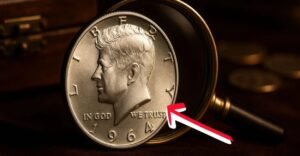
This error hit all three mints, but confirmed examples number in the dozens at most, making it scarcer than hen’s teeth. The silver-manganese mix gives it a subtle sheen, and in mint state (barely circulated), it gleams like a hidden gem. No dramatic colors or odd shapes—just a subtle date quirk tying it to the frenzy of wartime production. Experts say its value stems from that “oops” moment, capturing the Mint’s human side amid national urgency.
The Error That Echoes Eternity
One die’s delay, one date’s overlap—and suddenly, a nickel narrates a nation’s rush to rally.
How to Hunt It Down: Simple Steps to Spot Your Potential Payday
Spotting a 1943/2 isn’t rocket science, but it takes a keen eye and a bit of patience. Start with the basics: Grab any nickel dated 1942-1945 and confirm it’s a War Nickel by that oversized mint mark above Monticello. Then zoom in on the date—use a magnifying glass or phone camera to scan the “3” for ghostly “2” curves underneath.
Weigh it (5 grams) and check the tone: A soft silver-gray beats brassy copper. No heavy wear or rust? You’re in the sweet spot. For the overdate, tilt under light—the shadow effect pops. Common pitfalls? Fakes with etched dates or cleaned surfaces that dull shine. If it passes the eyeball test, snap clear pics for a free online check.
Bullet-Point ID Guide: Your At-Home Detective Kit
- Date Dive: Focus on 1943—hunt for “2” whispers under the “3.”
- Mark Match: Big “P,” “D,” or “S” over the house? War Nickel confirmed.
- Tone Test: Gray-silver hue, not coppery—manganese magic.
- Wear Watch: Crisp details, no scratches—mint state multiplies money.
- Tool Tip: Magnifier or app zoom; avoid rubbing to keep value intact.
These hacks turn couch surfing into coin sleuthing.
Value Breakdown: From Pocket Filler to Fortune Maker
Your run-of-the-mill War Nickel? A buck or two tops. But pristine ones climb to $10-50, thanks to silver content (about $1 melt value alone). Enter the 1943/2 overdate: Circulated examples snag $5,000-$20,000, while untouched beauties soar to $100,000+. In gem condition (MS-67+ grade), a million-dollar tag isn’t hype—driven by auction fever and finite supply.
Factors fueling the fire? Condition (no dings), certification (PCGS or NGC slabs add 2-3x), and story (wartime tie-ins sell souls). Here’s a handy 2025 value table (estimates for solid shape; pros pinpoint peaks):
| Variety/Condition | Composition/Key Trait | Circulated Value | Mint State Value | Auction High Example |
|---|---|---|---|---|
| Standard 1943 War | Silver-Manganese, No Error | $1-$5 | $10-$50 | $200 |
| 1943/2 Overdate (P) | Overdate Error, Philadelphia | $5,000-$15,000 | $50,000-$150,000 | $100,000+ |
| 1943/2 Overdate (D/S) | Overdate Error, Denver/San Fran | $6,000-$20,000 | $75,000-$200,000 | $250,000+ |
| Gem 1943/2 (MS-67+) | Perfect Condition, Certified | N/A | $500,000+ | $1 Million Potential |
These tiers show the thrill—errors elevate everything.
Collector Wisdom: Hunt, Hold, and Cash In Right
Eager to join the chase? Scoop $10 in nickels from your bank (that’s $200 face for pocket change prices). Raid attics, estate sales, or eBay lots for bulk hauls. Store suspects in soft flips—moisture’s the enemy. For keepers, grade at PCGS or NGC ($20-50 fee)—their stamp screams “serious.” Flip quick on eBay or go big at Heritage Auctions, where tales like this overdate’s wartime whisper win bids.
Pro tip: Join free groups like the American Numismatic Association for swaps and scans. Even if it’s not a millionaire-maker, the hobby’s a blast—stories beat stacks every time. In 2025, social media shares of finds fuel the fun, turning solo hunts into community cheers.
Conclusion: Flip That Nickel—Your Million-Dollar Moment Awaits
The Jefferson Nickel, from its 1938 debut to wartime silver swaps, proves humble change can harbor heroic histories—especially the 1943/2 overdate, a die-delay darling worth up to a million in mint splendor. With easy ID bullets, value tables, and hunting hacks, it invites us to peer closer at the overlooked, blending Jefferson’s legacy with Mint mishaps that minted myths.
In 2025’s collector surge, don’t let dusty drawers dull your destiny—raid them, rate them, and revel in the reveal. One overlapped date could echo eternity in your wallet; start the scan today and let fortune five-cent its way to you.
Frequently Asked Questions (FAQ)
What makes the 1943/2 Jefferson Nickel so valuable?
Its super-scarce overdate error—where a “2” hides under the “3”—plus wartime silver mix and few confirmed examples drive prices to $100,000+ in top shape.
How do I confirm if my nickel is a War Nickel?
Look for a huge mint mark (“P,” “D,” or “S”) above Monticello on the back, and dates from 1942-1945—simple as that.
Can I sell my rare Jefferson Nickel right away?
Sure, but get it graded by pros first—certified coins fetch way more at auctions or to buyers.
Where should I search for these nickels?
Dig into old jars, family heirlooms from the 1940s, bank rolls, or local shops—surprises hide in plain sight.