

Imagine reaching into your dusty toolbox for a rusty wrench and pulling out a small, silvery coin that feels strangely light. That’s exactly what happened to one lucky finder last weekend – a 1943 steel cent, a penny from World War II that’s not just pocket change but a piece of history. Made when copper was needed for bullets and wires, these coins swapped shiny copper for zinc-coated steel, giving them a unique silvery look and a magnetic pull.
While common ones are worth just a few cents, pristine examples can fetch up to $10,925 at auction in 2025. In a time when digital payments rule and old tools gather dust, stumbling on this wartime survivor is like uncovering a forgotten letter from the past. Coin collecting, or numismatics (the fun hobby of gathering and learning about old money), turns everyday finds into exciting tales.
The Surprising Toolbox Discovery: From Rust to Riches
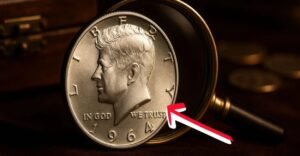
Curiosity kicked in: A quick wipe revealed the date – 1943 – and a faint “D” mark for Denver. No copper glow, just steel. A smartphone search confirmed it: A genuine 1943 steel cent, one of over a billion made during World War II. The excitement built fast – “Could this be worth something?” The finder snapped a photo and posted it online: “Toolbox treasure or junk? 1943 penny feels weird.” Responses flooded in: “That’s a steel cent – check for rust!” and “Mine sold for $150 – get it graded!” What began as a cleanup ended with a trip to a local coin shop, where it graded VF-20 (very fine condition) and valued at $150. In 2025, with apps making identification a breeze, stories like this inspire everyday folks to scan their spaces – proving history hides in the unlikeliest spots.
The Wartime Roots of the 1943 Steel Cent: Copper for Bullets, Steel for Pennies
The 1943 steel cent wasn’t born from fancy design – it was a wartime necessity. Picture 1942: America was deep in World War II, with factories churning out tanks, planes, and bullets. Copper, the usual penny metal, was vital for shells and wiring. President Franklin D. Roosevelt called for conservation, so the U.S. Mint switched to zinc-coated steel – cheap, available, and magnetic (yes, they stick to fridges!).
The design stayed simple: Lincoln’s profile on the front (obverse) with “IN GOD WE TRUST” and the date, wheat stalks on the back (reverse) for “ONE CENT.” Mints in Philadelphia (P), Denver (D), and San Francisco (S) produced over 1 billion – Philadelphia alone hit 684 million. Steel was lighter (2.7 grams vs. 3.11 for bronze) and silvery, but rust plagued early batches. A quick zinc coating fixed it, making them durable for pockets and payphones.
These pennies weren’t just money – they were symbols of sacrifice. Kids saved them for scrap drives, and they funded war bonds. By 1944, copper returned, ending the steel run. In 2025, with WWII docs trending, these cents evoke a time when every scrap counted – a humble reminder of national grit.
Why the 1943 Steel Cent Sparks Joy (and Cash) Today
In a digital dollar world, why chase a rusty penny? Nostalgia and value! Common circulated ones fetch $0.50-$2, but un-rusted beauties climb to $5-$100. Pristine MS-68 grades? $10,925 at auction. It’s entry-level numismatics – affordable for newbies, thrilling for vets.
The rarity twist? Fewer than 1% survive rust-free, and the ultra-rare 1943 bronze errors (copper mix-ups) hit $100,000+. But even standard steel ones symbolize scarcity amid abundance. In 2025’s economy, flipping finds like this beats endless scrolling – it’s therapy with potential payout.
Hunt for Your Own: Tips to Spot and Value 1943 Steel Cents

Ready to raid your junk drawer? It’s simple fun.
Easy Spotting Steps
- Date Hunt: 1943 on a penny? Steel candidate.
- Magnet Magic: Sticks to a fridge? Steel confirmed.
- Weight Check: 2.7 grams – lighter than copper’s 3.11 (kitchen scale works).
- Rust Patrol: Shiny, no brown spots? Better value.
- Mint Mark: “D” or “S” under date? Adds premium.
Apps like CoinSnap scan fast. Grade via PCGS for official scores – VF-20 (like the finder’s) hits $150.
For a quick 2025 value guide (circulated to high grade):
| Condition | Avg. Value | Auction High | Notes |
|---|---|---|---|
| Circulated (Worn) | $0.50-$2 | $5 (nice VF) | Common but sentimental |
| VF-20 (Very Fine) | $1-$150 | $150 (2023) | Like the toolbox find |
| MS-67+ (Uncirculated) | $5-$4,888 | $4,888 (2021) | Low rust survivors |
| MS-68 (Gem) | $10-$10,925 | $10,925 (2022) | Ultra-rare shine |
| Bronze Error | $10K+ | $100K+ | Copper flub – jackpot |
From recent sales; condition rules.
Clean, Store, and Sell: Pro Tips for Your Finds
Gentle clean with distilled water – harsh stuff kills shine. Store in albums, not jars, to dodge scratches. Sell? eBay for quick, Heritage for highs post-grading. Read “A Guide Book of United States Coins” for lore. Kids? Start with pocket sorts – builds smarts.
Busting Myths: Not Every 1943 is a Fortune
“All 1943 pennies are $100K!” Nope – that’s the bronze error. Steel ones? Common but fun. Scams promise “valuations” for fees – use .gov sites.
FAQ
Is every 1943 penny rare?
No – steel ones common; bronze errors are the unicorns.
How do I test for steel?
Magnet stick and light weight (2.7g) – easy home check.
What’s my circulated one’s worth?
$0.50-$2; VF-20 like the finder’s: $150.
Where to sell?
Local shops quick, auctions like Heritage for max.
Can kids collect them?
Yes – pocket finds teach history and value.
Conclusion
The 1943 steel cent in that toolbox isn’t just a wartime flub – it’s a shiny link to resilience, worth $1-$10,925 in 2025. From copper shortages to easy magnet tests, it proves everyday junk holds epic tales. Scan drawers, grade finds, and join the hunt – your next rust-free gem could fund fun. Whether for stories or sales, numismatics turns clutter into wonder. Got a 1943? Share below!