

Imagine rummaging through a dusty jar of forgotten pennies from your childhood piggy bank and pulling out a small, reddish-brown coin that could fetch nearly a million bucks at auction. Sounds like a movie plot? It’s the real-life thrill of the 1943 Lincoln Wheat penny – a wartime blunder that’s one of the rarest U.S. coins ever, valued up to $950,000, and yes, it might still be hiding in everyday loose change. These classic one-cent pieces, with their iconic wheat stalks on the back, have captivated collectors for decades.
A Beginner-Friendly Look at Lincoln Wheat Pennies
Lincoln Wheat pennies are those familiar, coppery one-cent coins you’ll find in fountains, vending machines, or old drawers, featuring President Abraham Lincoln’s calm profile on the front and a pair of tall wheat stalks on the back. They debuted in 1909 to celebrate Lincoln’s 100th birthday, marking the first time a real American president’s face graced a circulating coin – a bold switch from the lady Liberty designs of old.
The Epic Backstory: A Wartime Mix-Up That Minted a Million-Dollar Mistake

Fast-forward to 1943, smack in the middle of World War II. With the U.S. fighting on multiple fronts, every bit of copper was needed for ammo shells, wiring, and tanks. To stretch resources, the Mint ditched copper pennies for cheaper zinc-coated steel versions – lightweight, magnetic coins that jingled differently in pockets. Billions of these steel pennies flooded the economy that year.
Why This $950,000 Penny Is Still “Out There” – And How Scarcity Fuels the Fire
Most Wheat pennies scrape by at face value, but the 1943 copper version? It’s the holy grail, blending extreme rarity with WWII drama. Fewer than 20 exist, and pristine survivors – graded by pros like PCGS or NGC on a scale from worn-out Good to perfect MS-70 – command premiums from deep-pocketed investors. Condition is king: A circulated (pocket-rubbed) one might hit $100,000, but a gem? Up to $950,000 or more.
Simple Tricks to Spot a $950,000 Wheat Penny in Your Stash
No treasure detector required – just basic smarts! Start by dumping out your change jar, raiding family albums, or grabbing penny rolls from a bank (they’re cheap to unwrap). Zero in on 1943 dates: If it’s reddish-brown instead of silvery-gray, you’ve got a lead.
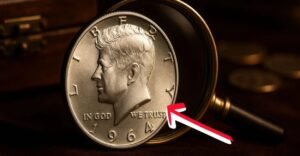
Key tests:
- Magnet Check: Steel pennies stick; copper glides off.
- Weight It: Copper hits 3.11 grams; steel’s lighter at 2.7 grams. A kitchen scale works fine.
- Magnify Details: Scan for sharp dates, wheat stalks, and no fuzzy edges (signs of fakes).
Skip the polish – never clean it, as that natural brownish film (patina) adds appeal. For winners, snap clear photos and upload to free apps like CoinSnap for hints. Then, rush to PCGS or NGC for grading – their seal can skyrocket value. Patience pays: Most checks flop, but that one hit? Priceless.
Standout Rare Lincoln Wheat Pennies to Hunt in 2025
The 1943 copper steals the show, but the series brims with gems. Our table highlights top variants, their quirks, and 2025 value ranges (circulated for worn vs. uncirculated for shiny), pulled from recent auctions. These could surface in circulation – keep sorting!
| Year/Type | Key Feature | Circulated Value | Uncirculated Value | Hunt Tip |
|---|---|---|---|---|
| 1943 Copper | Bronze error in steel year | $100,000+ | $500K–$950K+ | Non-magnetic 1943 |
| 1909-S VDB | Designer’s “VDB” initials | $700–$1,000 | $10K–$15K | First-year San Francisco |
| 1914-D | Low Denver mintage | $150–$300 | $8K–$12K | Scarce during early 1900s |
| 1922 No D | Missing “D” mint mark | $500–$1,000 | $50K–$100K | Plain field where mark hid |
| 1955 Doubled Die | Blurry double date/letters | $1,000–$2,000 | $10K–$20K | Fuzzy “LIBERTY” easy to spot |
The Spotlight Stealer: 1943 Copper Penny
This wartime whoopsie weighs in at 3.11 grams of pure potential. A circulated beauty sold for $373,000; top-shelf ones near $950,000. Magnet test first – if it fails, celebrate!
The Fan Favorite: 1955 Doubled Die
A stamping tool glitch doubled the date and words like a spooky echo. Beginner-friendly, as it hides in change rolls, fetching $1,000 even worn.
Quick Collector Hacks: From Hunt to Handshake
- Storage Smarts: Tuck in soft plastic sleeves – no albums with scratches.
- Sell Savvy: Post-grading, hit Heritage Auctions or eBay certified sellers for max dough.
- Fake Fighters: Beware altered steels; pros spot ’em.
- Club Up: Join the American Numismatic Association for tips and trades.
In 2025, errors like doubled dies are hot – snag rolls for under $20 and sort away.
FAQ: Straight Scoop on the $950,000 Wheat Penny
Is It Realistic to Find a $950,000 Penny in Loose Change?
Super rare – odds are lottery-level – but yes, they’ve turned up in old jars and rolls. Focus on 1943s for the best shot.
How Do I Confirm My Penny’s the Copper Version?
Magnet (no stick) plus scale (3.11g). Then, pro grading seals the deal.
What’s the Auction Record for a 1943 Copper?
Nearly $950,000 for a top-grade gem; even average ones hit six figures.
Should I Clean My Old Penny to Make It Look New?
Absolutely not! Cleaning erases patina and slashes value – let age add charm.
Where’s the Top Place to Cash In a Rare Find?
Graded auctions like Heritage or trusted dealers – avoid quick pawn shops.
Conclusion: Flip That Penny – A $950,000 Surprise Might Await!
The Lincoln Wheat penny proves small change packs big punches, with the 1943 copper error leading at up to $950,000, still whispering possibilities from circulation. From birthday tributes to wartime flubs, these coins weave America’s story into shiny copper threads.
In 2025, amid rising collector craze, sift your stash, test with a magnet, and dream big – you could uncover history’s hidden jackpot. Join forums, grab rolls, and share your hunts; the next big tale might be yours. What’s lurking in your jar? Drop it below – happy hunting for those rare Lincoln Wheat pennies worth money!