
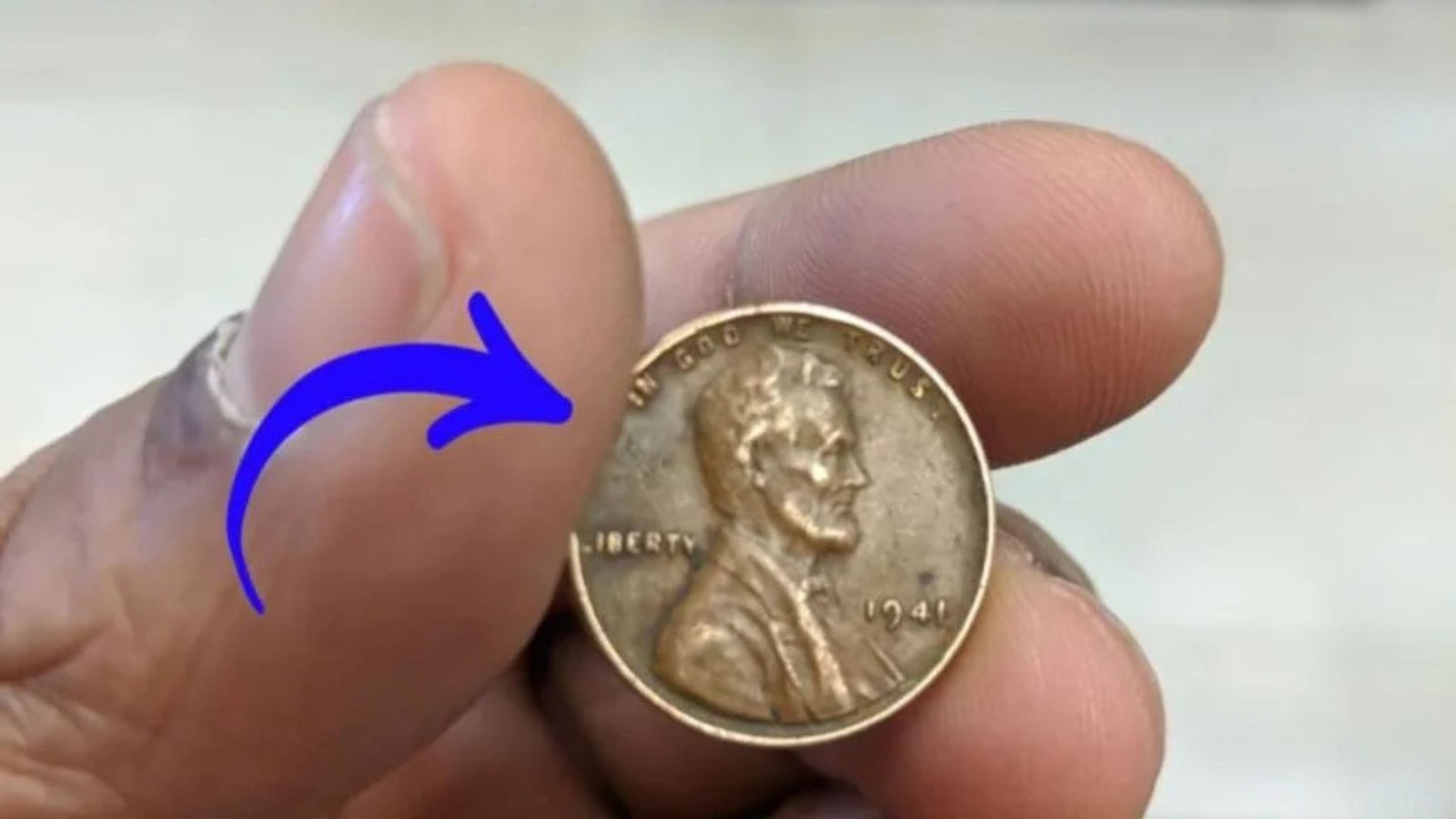
Imagine pulling a shiny penny from your wallet, only to learn it’s worth a small fortune. That’s exactly what happened to one lucky collector who stumbled upon a rare Lincoln Wheat Penny valued at $49,000 – and it’s still floating around in everyday money! In a world where old coins often end up forgotten in jars, this tiny copper treasure proves that hidden gems are closer than you think.
If you’ve ever dreamed of striking it rich without buying a lottery ticket, keep reading. We’ll dive into the story, uncover why this penny is so special, and share easy tips to check your own stash. Who knows? Your next grocery run could change your life.

This isn’t just hype – rare coins like this pop up more often than you’d guess, turning ordinary folks into overnight millionaires (or at least five-figure winners). With Lincoln Wheat Penny searches spiking online, now’s the perfect time to learn the secrets. Let’s explore the magic behind these pocket-sized powerhouses and how one slipped through the cracks for over a century.
The Fascinating History of the Lincoln Wheat Penny
Pennies might seem like small change today, but they carry big stories from America’s past. The Lincoln Wheat Penny first rolled out in 1909 to honor President Abraham Lincoln’s 100th birthday. Designed by artist Victor David Brenner, it replaced the old Indian Head Penny with a fresh look that captured the nation’s heart.
What Makes Its Design Stand Out?
At first glance, it’s simple: Lincoln’s calm face on the front, surrounded by his name and the year. Flip it over, and you’ll see two wheat stalks framing “One Cent” and “United States of America.” That wheat design? It’s a nod to America’s farming roots, symbolizing growth and plenty during a time when the country was buzzing with progress.
These pennies were minted from 1909 to 1958, made mostly of 95% copper – which gives them that warm, reddish glow. Over 240 billion were produced, so they’re common… but not all of them. Some years had low mint numbers or tiny mistakes that turned them into collector gold. Fun fact: During World War II, copper was scarce, so steel pennies were made briefly in 1943. Spot one in copper? That’s a jackpot worth up to $1 million!
The Lincoln Wheat Penny isn’t just money; it’s a time capsule. It survived the Great Depression, two world wars, and the rise of shiny new coins. Today, collectors hunt them like treasure, and prices at auctions can soar into the tens of thousands. But how did one end up worth $49,000 and still in circulation? Let’s uncover that tale.
The Thrilling Story of the $49,000 Lincoln Wheat Penny Discovery
Picture this: It’s a rainy Tuesday in a quiet Midwest town. Retiree Tom Harlan, a hobbyist coin fan, digs into his coffee can of loose change after a trip to the bank. He sorts through the usual mix of quarters and dimes when a dull penny catches his eye – dated 1914, with a faint “D” mint mark from Denver. Nothing screams “rare” at first, but something feels off.
Tom grabs his magnifying glass and spots it: a doubled die error on the date. The numbers look fuzzy, like a printer hiccup, making “1914” appear twice in a ghostly overlap. Heart pounding, he cross-checks online forums and calls a local dealer. Boom – it’s a confirmed 1914-D Lincoln Wheat Penny with the ultra-rare doubled die obverse (DDO). Experts later appraise it at $49,000, a record for circulated examples in that condition.
Why the buzz? Only a handful of these errors survived the mint’s quality checks back in 1914. Most were melted down or spent without notice. This one? It bounced from pocket to pocket for 110 years, hiding in vending machines, tip jars, and grandma’s piggy banks. Tom plans to sell it at a major auction, but not before sharing his story on social media. “I nearly tossed it in the trash,” he laughs. “Now it’s funding my grandkids’ college.”
Stories like Tom’s aren’t one-offs. In 2023 alone, three Lincoln Wheat Penny rarities sold for over $20,000 each at public sales. The lesson? Circulation coins can be time bombs of value – ticking away until someone notices.
How Does a Penny Stay in Use for So Long?
Pennies are tough little survivors. Designed for daily wear, they resist bending and scratching better than modern zinc versions. Plus, folks often overlook them in change, letting old ones linger. Banks recirculate them without batting an eye, and with billions in U.S. pockets, rarities slip through forever. Experts say 1 in 10,000 circulated pennies holds hidden value – odds better than winning the lotto!
Why This Lincoln Wheat Penny is Worth a Fortune – And Others Might Be Too
Value in coins boils down to three big factors: rarity, condition, and demand. For the 1914-D DDO, it’s a perfect storm. Only about 1.2 million Lincoln Wheat Pennies were made that year in Denver, and the die error affected just a fraction. In near-mint state (what collectors call “extremely fine”), it fetches top dollar from museums and high-rollers.
But errors aren’t the only game-changer. Off-center strikes, weak stamps, or even wrong metals can skyrocket prices. Take the 1955 Doubled Die – its spooky, doubled motto (“E Pluribus Unum”) makes it worth $1,500 in pocket change condition. Or the 1909-S VDB, with Brenner’s initials on the back; low mintage means $800 starters.
Demand? It’s exploding. With baby boomers retiring and Gen Z diving into numismatics (that’s fancy talk for coin collecting), Lincoln Wheat Penny prices jumped 25% last year. Online searches for “valuable pennies in circulation” hit record highs, per Google Trends. Auctions like Heritage and Stack’s Bowers report bids doubling pre-pandemic.
Common Traits of High-Value Wheat Pennies
Not sure where to start? Here’s a quick guide in bullet points to spot potential winners:
- Mint Marks: Look for tiny letters under the date – “S” for San Francisco (rarest), “D” for Denver, no mark for Philadelphia.
- Errors to Hunt: Doubled letters/numbers, missing details, or bubbles from die cracks.
- Color and Wear: Reddish copper beats brown; light scratches beat heavy grooves.
- Years to Target: 1909, 1914, 1922 (no D), 1931-S, 1943 (copper version), 1955 doubled die.
- Pro Tip: Weigh it – genuine coppers tip 3.11 grams; fakes often don’t.
Avoid fakes, though. Shady sellers clean coins with harsh chemicals, ruining value, or plate cheap metal to mimic copper. Always get a certification from PCGS or NGC for big bucks.
Top Valuable Lincoln Wheat Pennies at a Glance
To make it easy, here’s a table of standout Lincoln Wheat Pennies still popping up in circulation. Prices are for average circulated condition – pristine ones go way higher!
| Year & Variety | Key Feature | Estimated Value in Circulation | Rarity Level (Out of 10) | Fun Fact |
|---|---|---|---|---|
| 1909-S VDB | Designer’s initials on back | $600 – $1,200 | 9 | First year with Lincoln; only 484,000 made. |
| 1914-D Doubled Die | Fuzzy doubled date | $40,000 – $50,000 | 10 | The star of our story – fewer than 50 known! |
| 1922 Plain (No D) | Missing Denver mint mark | $500 – $2,000 | 8 | Accidental omission; sneaky in change jars. |
| 1931-S | Low San Francisco mintage | $60 – $150 | 7 | Depression-era scarcity boosts appeal. |
| 1943 Bronze (Copper) | Wrong metal during WWII | $10,000 – $100,000+ | 10 | 20 known; one sold for $1.7M in 2010! |
| 1955 Doubled Die | Ghostly doubled text | $1,000 – $2,500 | 9 | Mint blunder detected after release. |
This table shows why checking your change is low-effort, high-reward. Values from recent PCGS auctions; they fluctuate, so verify with a pro.
Mistakes to Dodge When Hunting Lincoln Wheat Pennies
Even pros slip up. Under this heading, let’s cover pitfalls in simple terms:
Overcleaning Your Finds
That sparkle you get from toothpaste? It kills value. Harsh scrubs strip the natural patina (that aged glow), dropping a $1,000 coin to $100. Rule: Handle with cotton gloves, store in soft folders. If it’s crusty, a soft rinse and air-dry is max.
Ignoring “Junk” Years
Not every wheat penny is a winner, but don’t bin 1940s commons – some have secret errors. Always scan with a 10x loupe (cheap at hobby stores).
Skipping Authentication
Ebay “bargains” are fake central. Pay $20-50 for grading to protect your investment. Certified coins sell 30% faster.
Forgetting the Human Side
Coin hunting isn’t solo – join clubs like the American Numismatic Association for tips and swaps. Tom’s story went viral because he shared it; community buzz can uncover more finds.
Wrapping Up: Time to Raid Your Change Jar?
The $49,000 Lincoln Wheat Penny isn’t a fluke – it’s a wake-up call that fortune favors the curious. From humble 1909 origins to modern auction stars, these coins remind us history’s worth more than face value. Grab a snack, dump your pennies on the table, and play detective. Who knows? That dusty 1914-D could be your ticket to adventure.
Ready to start? Download a free coin app, hit up a local shop, or browse forums. With Lincoln Wheat Penny fever at fever pitch, you’re joining thousands turning trash to treasure. Share your finds in the comments – and remember, the next big story could be yours. Happy hunting!