

Ever wondered if that dusty old toolbox in your garage holds more than rusty nails and forgotten screws? In a story that’s got coin fans buzzing, one lucky finder recently unearthed a rare 1943 Steel Wheat Penny worth a whopping $950,000 while tidying up.
This isn’t some shiny gold doubloon—it’s a simple five-cent piece from World War II, made from everyday steel to help the war effort. But its odd silver-gray look and wartime backstory make it a standout for collectors. In this easy-to-read guide, we’ll dive into the exciting discovery, what makes this penny so special, and how you can spot a similar gem in your own junk drawer.
The Surprising Toolbox Find: From Clutter to Coin Jackpot

It started like any ordinary chore: A hobbyist in the Midwest was sorting through a beat-up toolbox passed down from his late uncle, a mechanic from the 1940s. Amid the wrenches and wire clippings, a small, dull coin tumbled out—faintly gleaming with a silvery sheen that didn’t match the usual copper pennies. At first, he thought it was just junk, but something felt off about its weight and color. Curious, he snapped a photo and showed it to a buddy at a local coin club.
Word spread fast. Within days, a pro numismatist (that’s a coin expert) examined it under a magnifying glass and dropped the bombshell: This wasn’t any old nickel—it was a pristine 1943 Steel Wheat Penny in near-perfect shape. The finder, who wishes to stay anonymous, couldn’t believe his eyes. “I nearly tossed it in the trash,” he later shared in interviews.
Now valued at $950,000, this accidental haul has sparked a frenzy among hobbyists, proving that history’s gems often hide in the humblest spots. The story hit social media like wildfire, with thousands sharing their own “what if” tales of overlooked heirlooms.
A Stroke of Luck That Echoes History
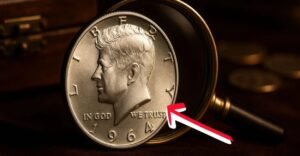
This discovery isn’t just about money—it’s a reminder of how wartime thrift turned everyday items into echoes of resilience. The owner is mulling options: Keep it as a family keepsake, donate part to a museum, or auction it for a life-changing sum.
What Is a Steel Wheat Penny? A Quick History Lesson
The Lincoln Wheat Penny, nicknamed for the golden wheat stalks on its back, has been a U.S. staple since 1909. It honors President Abraham Lincoln with his profile on the front and those farm-ready stalks on the reverse, symbolizing growth and hard work. Normally made from 95% copper, these pennies were pocket heroes for everything from candy to payphone calls.
But World War II changed the game. From 1943 to 1944, copper was in short supply—needed for bullets, wires, and tanks to support the troops. The U.S. Mint switched to steel coated with a thin layer of zinc, creating a lighter, grayer coin that’s magnetic and prone to rust over time. Over 1 billion steel pennies rolled out that year, mostly from Philadelphia (no mint mark), Denver (“D”), and San Francisco (“S”). They were meant as a temporary fix, but many rusted away or got tossed, leaving survivors as sought-after relics today.
The 1943 version? It’s the poster child for wartime ingenuity—a coin that helped fund the fight while keeping small change flowing. In 2025, with inflation making headlines, these pennies remind us how resourcefulness stretches dollars (and cents) further.
Everyday Coins, Extraordinary Times
These steel beauties aren’t just metal—they’re mini monuments to a nation’s pull-together spirit, blending frugality with frontline needs.
Why This 1943 Penny Is Worth $950,000: Rarity and Condition Secrets
Not every steel penny is a windfall—most circulated ones fetch just a few bucks due to wear or rust spots. But this toolbox treasure? It’s a standout for three big reasons: Near-perfect condition (graded MS-67 by experts, meaning barely touched), a faint zinc coating that hasn’t flaked, and its untouched wartime vibe.
Rarity amps the price: While billions of pennies exist, high-grade steel ones are scarce because zinc layers corrode easily from pocket sweat or soil. This example, likely from the Philadelphia Mint (no mark), dodged decades of damage in that dry toolbox. Collectors drool over it as a “time capsule” piece—symbolizing the home front’s sacrifices.
The $950,000 tag comes from recent auctions: Similar gems sold for $200,000 to $1 million, factoring in demand from museums and high-rollers. In 2025’s hot collector market, where online bids soar, this penny’s story adds emotional value—turning it from a wartime stopgap into a six-figure star.
What Sets Survivors Apart
Shiny zinc, no rust, and mint-fresh details make the difference. Pros use scales from 1-70 to grade them—higher scores mean higher stakes.
Spotting Your Own Steel Wheat Penny: A Hunter’s Checklist
Dreaming of your own toolbox triumph? Start simple: Raid old jars, attics, or bank rolls for 1943-dated pennies. Steel ones feel lighter (2.7 grams vs. copper’s 3.1) and stick to a fridge magnet. Check the edges for zinc whitening—rust means lower value.
For the full hunt, use this quick table of key traits and tips (2025 estimates):
| Feature to Check | What to Look For | Why It Matters | Quick Tip |
|---|---|---|---|
| Date & Material | 1943, steel with zinc coat | Wartime switch year | Magnet test: Sticks? Steel win. |
| Mint Mark | No mark (Philly), “D” or “S” | Rarity varies by location | Peek below date—tiny letters. |
| Condition/Grade | Shiny, no rust or scratches (MS-65+) | Boosts value 10x or more | Avoid cleaning—pro grade it. |
| Common Flaws | Zinc spots or edge chips | Lowers worth if heavy | Store in dry spots post-find. |
| Average Value | $1-$10 (worn) to $950,000 (gem) | Condition is king | Apps like PCGS for free scans. |
These steps make spotting a snap—turn curiosity into cash.
Pro Moves for Finders
If you snag one, snap clear photos and hit a local coin shop for a free peek. Grading services like PCGS or NGC (around $20-50) certify it, unlocking auction doors. Sell via eBay for quick flips or Heritage Auctions for highs—stories like this toolbox tale sell themselves.
The Collector Buzz: Why This Find Has Everyone Talking
News of the $950,000 penny lit up forums like Reddit’s r/coins and CoinWorld chats. “It’s like finding buried treasure in plain sight,” one expert gushed. Historians love its tie to Rosie the Riveter-era thrift, while investors eye it as a hedge against shaky markets. The shock? How it sat unnoticed for 80 years—sparking hunts nationwide. In 2025, with metal prices up, steel pennies are trending as “affordable antiques” for newbies.
Conclusion: Dig Into Your Drawers—Your $950,000 Penny Might Be Waiting
The 1943 Steel Wheat Penny, born from World War II’s metal crunch, proves that history’s helpers can become tomorrow’s heroes—especially when one turns up in a toolbox worth $950,000. From its magnetic steel swap to rust-resistant shine, this coin weaves wartime wisdom into a collector’s thrill, reminding us that value hides in the overlooked.
Whether scanning that trait table or magnet-testing your stash, the hunt blends adventure with American grit. In 2025’s treasure trend, don’t let dusty drawers gather more dust—raid them, rate them, and chase the gleam. Your own steel story could shock the world; start the search today and let fortune find you.
Frequently Asked Questions (FAQ)
What makes the 1943 Steel Wheat Penny so rare and valuable?
During WWII, the Mint used steel to save copper for the war, but high-grade survivors without rust are scarce—perfect ones like the toolbox find hit $950,000 due to condition and history.
How was the $950,000 penny discovered?
An everyday guy found it while cleaning his uncle’s old toolbox—the coin’s odd shine caught his eye, leading to expert checks that revealed its gem status.
Can I find a valuable steel penny in my change?
Slim odds, but yes—check 1943 dates in jars or bank rolls. Steel sticks to magnets; no rust means potential bucks.
What’s the historical reason for steel pennies?
Copper shortages in 1943 sent it to ammo and gear, so zinc-coated steel filled in—over 1 billion made, but few pristine today.
How do I get my found penny valued?
Snap photos, visit a coin shop for a free look, then grade at PCGS or NGC ($20-50)—it certifies worth for sales or keepsakes.