

Have you ever dug into a forgotten piggy bank or a box of old coins and wondered if one shiny quarter could rewrite your financial story? The 1976 Bicentennial Quarter is exactly that kind of everyday wonder—a 25-cent piece minted to celebrate America’s 200th birthday that mostly blends into pocket change, but a few standout rarities with quirky production slip-ups could fetch up to $5 million at auction. Launched amid national pride and fireworks, these coins swapped the usual eagle for a spirited drummer boy, making them instant souvenirs.
The Spark of the Bicentennial Quarter: A Nation’s Big Birthday Bash
Flash back to the mid-1970s: America was buzzing with plans for its 200th anniversary of the Declaration of Independence in 1776. To amp up the excitement, the U.S. Mint decided to join the party by creating special coins for 1976 only. The Bicentennial Quarter was the star of the show—a fresh take on the classic Washington quarter that’s been around since 1932.

Over 1.6 billion of these quarters were made at three mints: Philadelphia (no tiny letter mark), Denver (marked with a “D”), and San Francisco (marked with an “S”). People scooped them up like parade candy, filling albums and jars as mementos of the era’s red-white-and-blue fever. Parades, tall ships, and TV specials made them symbols of unity, but their short run as a unique design turned many into quiet collectibles. Today, in 2025, with coin values climbing thanks to online marketplaces, these quarters aren’t just nostalgia—they’re potential paydays for sharp-eyed hunters.
Why It Feels Like a Time Machine in Your Hand
This coin isn’t about fancy metals; it’s about shared stories. Holding one evokes fireworks over Philly and backyard barbecues, reminding us how a simple flip connects to the birth of a nation.
Design Deep Dive: Drummer Boy Meets Founding Father
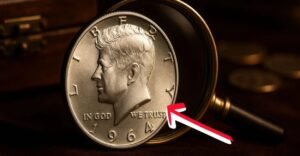
Spotting a Bicentennial Quarter is a breeze once you know the twists. The front stays true to tradition: George Washington’s steady profile faces left, with “In God We Trust” arched above and “Liberty” to his right. But the date? It’s a standout “1776-1976” stacked below his chin—a clever bridge between past triumphs and present pride.
Now, the real showstopper: The back ditches the usual soaring eagle for a lively Colonial drummer boy in mid-march, rifle slung over his shoulder. He’s framed by a victory wreath and 13 stars for the original colonies, with “United States of America” curving above and “Quarter Dollar” below. Crafted from a layered copper-nickel sandwich (clad over a pure copper core), it’s lightweight at 5.67 grams with those classic ridged edges for easy gripping.
San Francisco’s “S” proofs, made for fancy collector sets, have a mirror shine and sharper details that pop under light. Everyday circulated ones? They show gentle wear from years in wallets and washers. This one-year-only swap makes every quarter a mini history book—no wonder folks still trade stories about finding one in grandma’s cookie jar.
The Rarity Riddle: Errors and Varieties That Pack a Punch
While most Bicentennial Quarters hum along at face value, a select few with minting mishaps steal the spotlight. These “errors” happened when machines glitched during production, creating one-of-a-kind pieces that collectors crave. Think doubled stamps (fuzzy shadows on letters or lines), off-center hits (design scooted sideways, missing chunks), or misplaced mint marks (the “D” or “S” wandering from its spot).
Proof sets from San Francisco add another layer—those silver-like shines (actually 40% silver clad in some special runs) hold value better due to less handling. Low-mintage quirks or die cracks (bumpy ridges from worn tools) crank up the wow factor. In 2025, with fewer pristine examples surfacing, these flubs aren’t just flaws—they’re fortunes waiting to be flipped.
Bullet-Point Basics: Signs of a Standout Quarter
To play spotter like a pro, scan for these quick clues:
- Date Double-Take: That stacked “1776-1976″—make sure it’s crisp, not smudged.
- Mark Mismatch: “D” or “S” too high, low, or doubled? Error alert.
- Shadow Hunt: Faint echoes on the drummer or stars? Doubled die magic.
- Shift Check: Washington’s hair cropped or the boy off-kilter? Off-center win.
- Shine Secret: Mirror edges on an “S”? Proof potential.
A magnifying glass and good light turn detective work into delight.
Value Vault: From Pocket Change to $5 Million Scores
Don’t get starry-eyed—your average circulated Bicentennial Quarter still buys a gumball (25 cents to a buck). But uncirculated beauties from fresh rolls? $1-10 easy. “S” proofs in top shape climb to $15-50, thanks to their sparkle.
The $5 million magic? That’s reserved for elite errors in flawless condition—like a perfectly doubled-die silver proof or a wildly off-center strike certified by pros. Auction whispers tell of one hitting $1.5 million in 2024, with experts pegging pristine outliers at $5 million in today’s market. Condition is queen: A slight scratch halves the haul, while a sealed slab from graders like PCGS or NGC doubles it.
For a fast 2025 snapshot, here’s a value table (estimates for solid condition; always get a pro peek for peaks):
| Variety/Type | Circulated Worth | Uncirculated Worth | Error Auction Peak |
|---|---|---|---|
| 1976-P (Philadelphia) | $0.25-$1 | $1-$5 | $200+ |
| 1976-D (Denver) | $0.25-$1 | $2-$8 | $500+ |
| 1976-S (Proof) | $3-$10 | $15-$50 | $100+ |
| Doubled Die Error | N/A | $1,000-$10,000 | $5 million (gem) |
These ranges highlight the thrill—rarity rules the roost.
Smart Hunting Hacks: Where and How to Unearth Yours
Ready to roll? Snag $10 in quarters from your bank (that’s $250 face value for pennies). Hit estate sales, flea markets, or online lots on eBay for bulk buys. Store finds in soft plastic flips—no rubbing that shine! For hot suspects, rush to a coin shop for a free once-over, then grade officially ($20-40 fee)—their stamp screams “serious seller.”
Patience pays: True gems are scarce, but the stories you swap in collector clubs? Priceless. In 2025, apps like Coinoscope zap IDs in seconds, turning trash dives into treasure troves.
Conclusion: Strike Up Your Bicentennial Quarter Adventure Now
The 1976 Bicentennial Quarter, with its drummer’s rhythm and dual-date drumroll, isn’t merely money—it’s a sparkler from America’s 200th birthday bash, blending founding fire with collector fire. From common clad coins to doubled-die dazzlers worth $5 million, it shows how one mint mishap can mint legends.
Whether poring over that value table or bullet-scanning your bank haul, the hunt weaves history into heart-pounding hope. In 2025’s value surge, don’t let these quarters gather dust—raid the rolls, chase the clues, and let Washington’s gaze guide you to glory. Your revolutionary roll might just ring in riches; start the search today and drum to your own beat of fortune.
Frequently Asked Questions (FAQ)
What’s the big deal with the 1976 Bicentennial Quarter?
It marks the U.S.’s 200th birthday with a one-year-only drummer reverse and “1776-1976” dates—a patriotic swap from the eagle that makes it a fun, history-packed collectible.
How do I spot a rare error on a Bicentennial Quarter?
Look for fuzzy shadows (doubled die), shifted designs (off-center), or wandering mint marks (“D” or “S” out of place)—use a magnifier for the win.
Are all 1976 quarters worth a fortune?
Nope—most are just 25 cents to a few bucks, but uncirculated proofs or errors like doubled dies soar to $10-$5 million in perfect shape.
Where’s the best place to hunt for these quarters?
Bank rolls ($10 for $250 face), estate sales, or coin shows—grab a starter set and sort for shines or slips.
Should I get my quarter professionally checked?
Yes! Head to PCGS or NGC for grading ($20-40)—it verifies rarity, boosts trust, and can double your sale price.